



Written by Lola Magazine with Parrish Ramsey, James Osborne, and Bridget Hamm
Building for the Way We Live Now
Parrish Ramsey | Parrish Ramsey Construction
In today’s luxury market, how are your clients’ priorities shifting when it comes to the design of their homes? Are they building differently than they were ten years ago?
Clients are definitely doing things differently than they have in the past. Home is no longer simply the place where people eat, sleep, and gather in the living room. Since the pandemic, homes have become the center of daily life.
Clients now request home gyms, thoughtfully designed office spaces, and entertainment areas that are more intentional. Outdoor kitchens, swimming pools, and gathering spaces where families can watch football games or entertain friends are increasingly important.
Homes today have more depth—they are designed with specific spaces that support modern lifestyles.
What design trends are you seeing in new construction for 2026?
Trends will always come and go, but sometimes a trend is exactly what a client loves. A new home doesn’t have to follow trends to be beautiful. What matters most is that homeowners do their research and understand what they need, what they want, and what fits their budget.
Touring completed homes can be incredibly helpful. The upcoming Parade of Homes is a great opportunity to do this. Vision boards also help clients narrow their choices and develop clarity before construction begins.
What exterior trends are you most excited about right now?
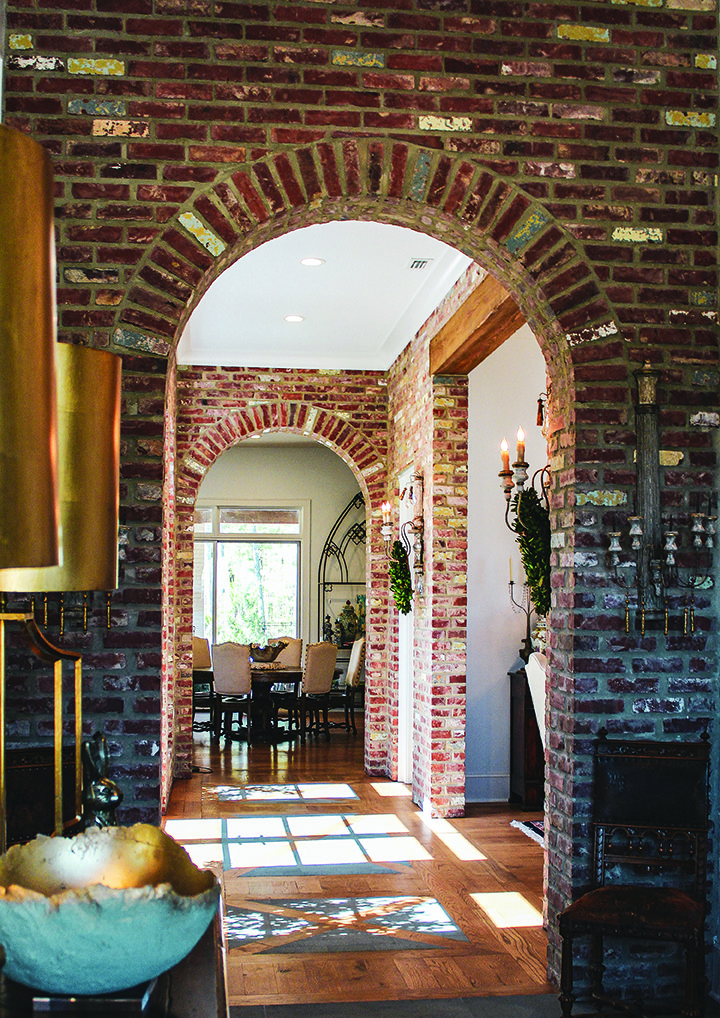
There is definitely a return to richly colored brick. Clients love the warm colors brick brings to the exterior of a home. It feels timeless and substantial.
Natural wood accents—such as columns, beams, and statement doors—are also becoming popular. Painted or stained columns can enhance a home’s character while complementing traditional Southern architecture.
In our region, materials need to be beautiful but also durable. Brick, wood accents, and thoughtful exterior finishes provide both curb appeal and longevity.
Energy performance has become an important part of the conversation. What features help ensure a home is efficient and comfortable in our Southern climate?
We recommend high-performance insulation and double-paned energy-efficient windows. Proper HVAC sizing is also extremely important, along with smart thermostats that help homeowners manage energy use efficiently. Choosing durable materials that resist moisture and rot is another important factor. These decisions help protect the home and preserve the homeowner’s investment.
Many clients are also asking about whole-home generators. Even if they are not installed immediately, planning for one during construction can make future installation easier.
What is the most important piece of advice when working with an architect, builder and client?
Clear, consistent and effective communication about the client’s vision and non-negotiables is essential. I encourage clients to ask how communication will work during construction. Clear expectations help everyone stay informed throughout the project. Another important topic is change-orders. Changes during construction can affect both timelines and budgets, so homeowners need to understand when decisions must be finalized. Clear communication and thoughtful planning create a far smoother and more successful building experience.
Surfaces That Set the Tone
James Osborne | Designer, Sheppard’s Countertops & Floors
What interior trends are you seeing right now in countertops and flooring for new builds and renovations across our region?
There are so many exciting ideas in home design right now. Clients have more options than ever before.
We’re seeing artisan quartz countertops that beautifully mimic natural materials, along with large-format porcelain tile being used in dramatic ways—especially on fireplace facades.
At the same time, many homeowners are embracing handcrafted materials. Recycled European tile floors, mosaic backsplashes, rare Italian marble countertops, and custom exotic wood cabinetry are appearing in some stunning projects.
Natural materials continue to have a strong presence in design. How are they being used to add warmth and character?
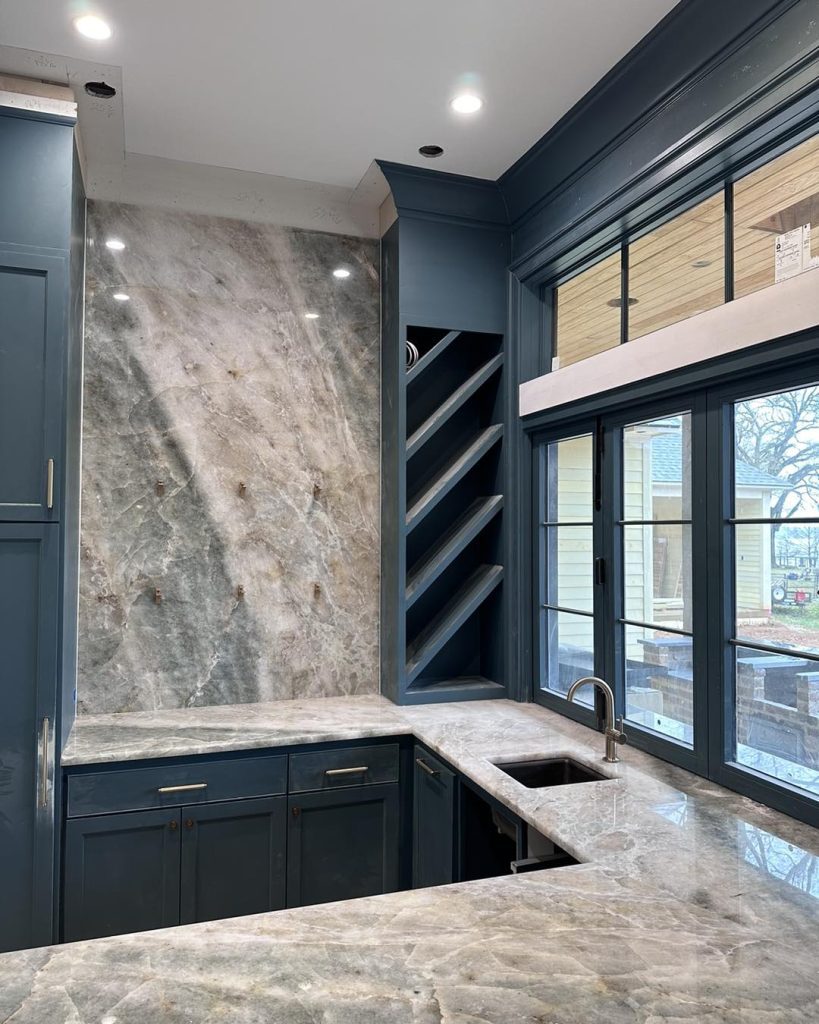
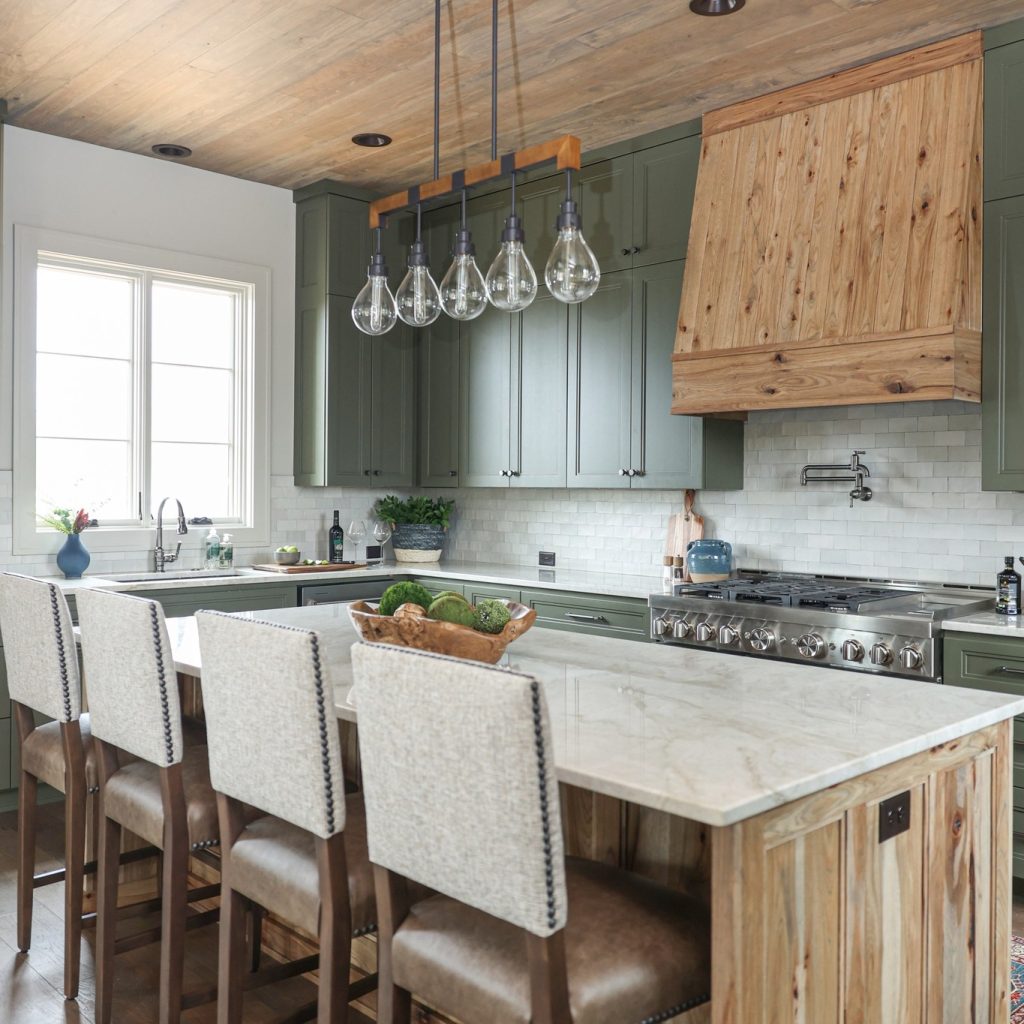
Designers are working with both natural and engineered materials.Quartzite has become a great choice for homeowners who love the look of marble but want something more durable. We’re also seeing beautiful stone colors—from dark blues and rich greens to softer tones like blush and apricot.
Marble remains as popular as ever, from traditional Carrara to dramatic Calacatta varieties in polished or honed finishes.
For homeowners who want selections that feel current but not quickly dated, what materials offer the best balance of style and longevity?
The most important part of a custom project is being conscious of the home’s architecture.
When selections work with the architecture of the house, the design naturally gains longevity. Consistency in those decisions helps create a space that feels intentional and timeless.
Open-concept living has changed how surfaces work together. How do you create flow between flooring, countertops, backsplashes, and cabinetry?
Color plays a big role in creating that flow. Keeping colors unified helps connect open spaces, while different textures add richness.
You might combine stone, tile, wood, and metal within the same palette to create a space that feels harmonious but still layered and interesting.
Function is just as important as beauty. What materials do you recommend for durability and real-life livability?
Function matters, but that doesn’t mean the design has to feel purely utilitarian.
Leathered natural stone offers durability with beautiful texture. Pairing durable materials with something unexpected—like fluted large-format tile—can add style and personality.
What guidance do you give clients at the beginning of the design process?
Start with the big elements first—countertops, flooring, and tile. Once those are selected, the smaller details like plumbing fixtures, lighting, and cabinet hardware become much easier to choose.
I often tell clients that building a home is like telling a story. Each element becomes part of the narrative of how their family lives in that space.
What three tips would you give homeowners just starting the process?
First, gather inspiration online—but be a good editor. Choose the ideas that truly resonate with you. Second, respect your budget. Budgets don’t have to be limiting—they actually help guide good decisions.
And finally, once you make a strong decision, stick with it. Uncertainty can become the most expensive choice of all.
Color, Texture, and the Art of Livable Design
Bridget Hamm | Harrison Paint Company – Building B
What home design trends feel especially fresh and livable for Southern homes right now?
I’m seeing a strong shift toward warmth and livability. Southern homes are embracing warm neutrals, creamy whites, and muted greens that feel calm and welcoming in our Louisiana light.
Natural textures—wood, linen, honed stone, and grasscloth—are showing up everywhere, along with warmer metal finishes like unlacquered or polished brass and aged accents.
Wallpaper continues to be a favorite, especially organic florals, refined stripes, and subtle textures that add personality without overwhelming a space. Lighting is also becoming more intentional—layered, sculptural, and designed to create atmosphere rather than simply brightness.
Paint is often the starting point of a design plan. What palettes are homeowners choosing in 2026?
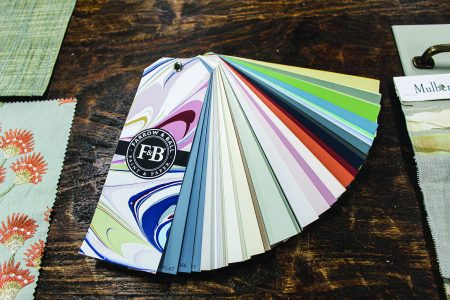
Homeowners are gravitating toward grounded, nature-inspired palettes. Soft greens, warm neutrals, earthy mid-tones, and muted blues feel timeless and flexible—especially in homes where natural light shifts throughout the day.
I always encourage clients to sample generously and view colors from morning through evening. Seeing paint in context makes all the difference. Working with experienced color professionals—like the team at Harrison Paint Company—helps homeowners move from second-guessing to confidence.
What are the most impactful updates homeowners can make without a full renovation?
Paint is still the fastest way to transform a space, but lighting is a close second. Replacing builder-grade fixtures instantly elevates a room.
I also love recommending wallpaper in an entry or powder room, upgraded hardware, refreshed window treatments, and custom pillows or rugs. These changes don’t require construction, but they dramatically improve how a home looks and feels.
How does Building B help homeowners bring an entire look together? 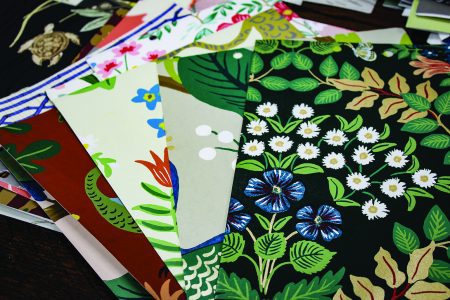
At Building B, our goal is to help clients see the whole picture. The showroom is intentionally curated so paint, wallpaper, fabric, rugs, and hardware all work together.
By seeing materials side by side, homeowners and designers can layer textures, compare colors, and make confident decisions without guesswork. It turns what can feel overwhelming into a clear, enjoyable process—and the result feels cohesive and personal.
Are you seeing a shift in style or mood in the home?
Homes are becoming more collected and expressive. I’m seeing a blend of cozy comfort with refined structure—spaces that feel welcoming but still elevated.
Modern organic design remains popular, but it’s softened with warmer palettes and traditional influences. Pattern is also back in a joyful, livable way, especially through wallpaper and textiles.
What trends will last, and what feels safe to enjoy right now?
Layered neutrals paired with natural texture will always have staying power. They create a foundation that evolves beautifully over time.
As for something to enjoy right now, I’d say pattern. When wallpaper or fabric is chosen thoughtfully, it feels personal and timeless—not trendy.
What advice do you give clients to avoid common missteps?
Don’t rush decisions or choose finishes in isolation. The best results come from seeing everything together and trusting the process. Great design should feel joyful and collaborative. When choices are made thoughtfully, homes feel livable, cohesive, and truly loved.
The Big Reveal
If these conversations reveal anything, it is that building and designing homes in 2026 is not simply about following trends. It’s about designing spaces that reflect real life—beautifully and intentionally. From color and materials to architectural planning and construction, every decision plays a role in shaping a home that supports the people living inside it. Local experts don’t recommend chasing the newest style, rather they suggest building thoughtfully, designing with purpose, and creating a home to evolves with you and your family year after year.