
A Bridal Registry Story by Ellyn McKinney
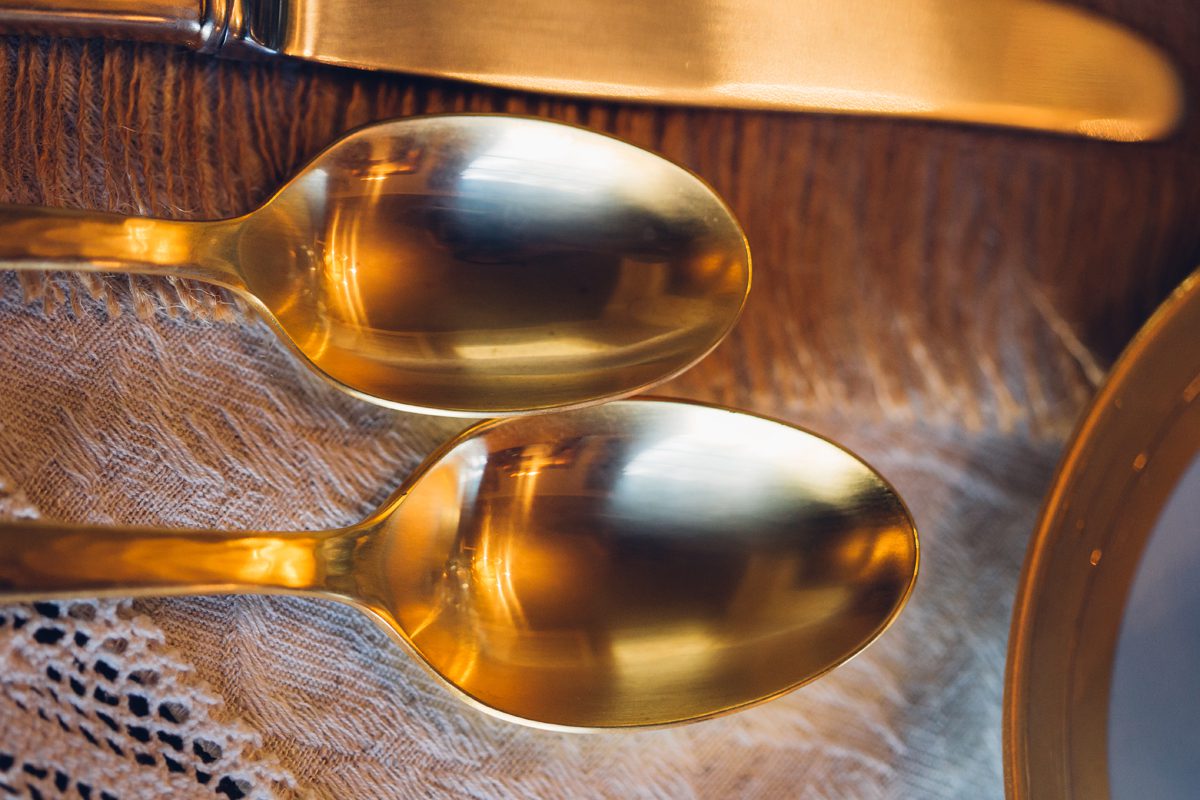
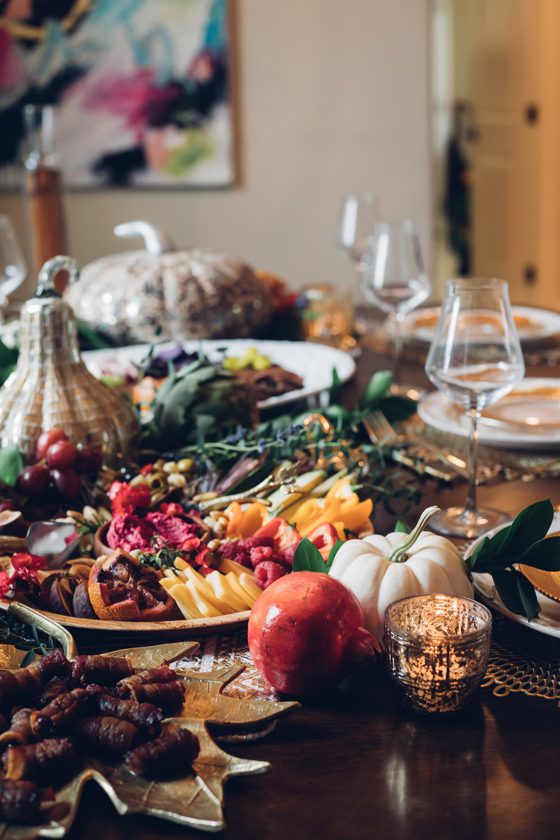
I grew up in an era when bridal dreams were shaped not by glowing screens, but by glass cases, velvet-lined displays, and the steady hands of women who loved you. Long before digital wish lists, brides-to-be made thoughtful selections for their future homes from walls filled with fine china, polished silver flatware, and sparkling crystal meant to grace a well-set table.
What began as an idea at Marshall Field’s Department Store in Chicago during the 1920s eventually made its way south, where brides were guided by generational wisdom — and strong opinions. Clarkes Jewelers added high-end silver, china and crystal to their jewelry counter – creating a carefully crafted one-stop shop for bridal selections in Shreveport. Not long after, in West Shreveport, The Gift House, owned by Shirley Kerr and Mildred Walker opened as a small specialty boutique that felt like a treasure chest. For a little girl with fairytale dreams, it became the place where I first began to imagine my future home. Brides of my generation didn’t start their married lives online. They started them here — where selection was an experience, not a scroll.
At The Gift House, brides chose china, silver, and crystal with the care an artist gives a palette. Department stores had bridal counters, but the boutique offered something deeper: intimacy, heritage, and ceremony. When a bride walked through the door, she wasn’t browsing — she was envisioning her life. And she didn’t come alone.
Her mother brought wisdom. Her grandmother brought tradition. Close family friends brought opinions — some welcome, some less so. Shirley Kerr brought the keen awareness to notice when the bride’s eyes sparkled a certain way as she held a beautiful piece in her hands. And that was part of the ritual. Bridal registries weren’t about practicality then. They were about taste, style, and the home you hoped to create long before turning the key in the front door. I remember choosing my own modest pieces: Fostoria Navarre in blue, delicate as a watercolor. Noritake Marywood, elegant and timeless. My stainless was Oneida — polished and proper — because good flatware matters. Even now, when I open the china cabinet or slide open a drawer, I can see the women who helped shape those choices. I can still hear their voices.
Though the modern bridal registry was formalized in 1924, the tradition is far older. For centuries, brides prepared for marriage through a trousseau — linens, quilts, and tableware gathered over time. The boutique registry was simply the American continuation of that lineage — a hope chest, curated with intention.
One tradition I miss deeply is the way wedding gifts were displayed in the bride’s parents’ home. After each shower, every piece was arranged with care, allowing friends and family to admire the gifts, note the bride’s taste, and imagine the life unfolding before her. It was more than polite. It was the blessing of her community. Today, gifts arrive in cardboard boxes, often without a handwritten note. Somewhere along the way, something sacred has been traded for convenience.
There is still something heart-stirring about walking into a local shop — Lewis Gifts in Shreveport, The Muffin Tin in Monroe, or any beloved specialty boutique — and watching a bride hold a piece of china in her hands. A local registry isn’t simply a shopping list- it’s a ceremony. Maybe it’s time to return to those aisles — mother by your side, grandmother watching with pride — and choose a plate you’ll display proudly in your home. Maybe the gift isn’t the china at all. Maybe the gift is the choosing. Maybe the gift is in keeping a lovely tradition.