








Written by Kalgi Modi, MD
Pregnancy is a demanding time for the heart. The American Heart Association (AHA) calls it the heart’s “first natural stress test” as the heart works harder to support both mother and baby. Knowing what is normal helps women spot any warning signs early.
 How Pregnancy Impacts The Heart
As pregnancy progresses, the cardiovascular system adjusts to support the mother and the developing baby.
Increased Blood Volume And Cardiac Output
Blood volume increases by about 30% to 50%. This may cause a faster heart rate and mild shortness of breath with exertion, both of which are considered regular physiological changes.
Vascular Changes And Blood Pressure Shifts
Hormonal changes in early pregnancy cause blood vessels to relax and dilate, lowering blood pressure. However, some women develop gestational hypertension or preeclampsia later in pregnancy. Both of those conditions require prompt management and raise long-term risk for heart disease.
Heartbeat Changes And Palpitations
Increased blood circulation may cause palpitations or changes in heart rate. Occasional palpitations are common, but persistent or severe symptoms may signal an underlying arrhythmia.
Cardiac Stress And Potential Heart Muscle Weakness
For most women, cardiovascular changes during pregnancy remain within a healthy range. In rare cases, heart muscle weakness (peripartum cardiomyopathy) can develop in late pregnancy or postpartum. Symptoms include fatigue, swelling or shortness of breath. They require immediate medical attention. Recognizing cardiovascular changes during pregnancy helps expectant mothers understand what is typical and when further evaluation may be necessary.
 Evidence-Based Ways To Protect Your Heart During Pregnancy
Adopting the essential eight heart-healthy habits during pregnancy (such as those outlined in this section) can support cardiovascular function and reduce the risk of complications.
- Follow a heart-healthy diet. Proper nutrition is essential for preventing high blood pressure and supporting healthy weight gain during pregnancy
- Engage in regular, moderate physical activity (such as walking, swimming or prenatal yoga) to strengthen the heart and support circulation.
- Manage pre-pregnancy conditions like obesity, hypertension, diabetes or high cholesterol
- Attend prenatal appointments to monitor blood pressure, heart rate and other key cardiovascular indicators.
- Avoid smoking and exposure to secondhand smoke. Limit caffeine intake if recommended by your healthcare provider.
- Practice stress-reduction techniques (such as deep breathing, meditation or gentle stretching) to help reduce cardiovascular strain.
- Have good sleep hygiene and sleep on your side (particularly after 20 weeks) to improve blood flow and reduce pressure on major blood vessels.
- Do not forget that breastfeeding and 4th-trimester care can further reduce heart disease in women.
Warning Signs That Require Immediate Medical Attention
According to the AHA, cardiovascular disease is the leading cause of pregnancy-related death in the United States. Seek immediate medical care if you experience any of the following issues:
- Chest pain, pressure or tightness
- Shortness of breath while resting or sudden worsening of breathlessness
- Rapid, irregular or persistent heart palpitations
- Severe swelling of the legs, feet or hands
- Sudden or excessive weight gain accompanied by swelling or shortness of breath
- Fainting, dizziness or near-fainting spells
- Severe headaches, vision changes or upper abdominal pain (may signal preeclampsia)
Cardiovascular risks may persist after delivery, especially in the first six weeks. As many as two-thirds of heart-related pregnancy complications could be prevented by appropriate observation, prevention and early treatment strategies. Any symptoms during the first six weeks after delivery should be checked by a doctor. Supporting heart health during pregnancy involves making informed lifestyle choices, regular health monitoring and ongoing communication with your healthcare provider. If you experience any of the symptoms or risk factors previously discussed, your care team can guide you through a healthy pregnancy and postpartum recovery.
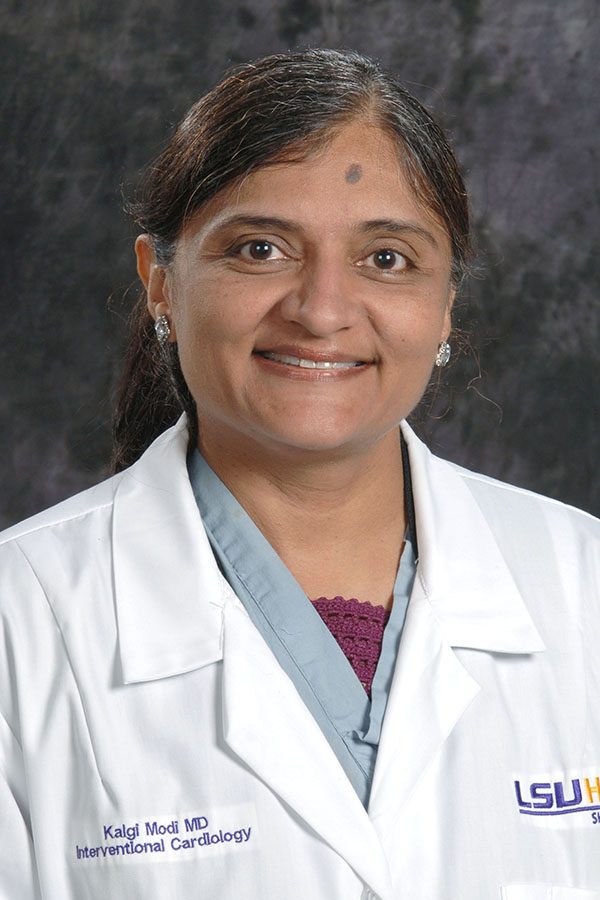 Dr. Kalgi Modi is board-certified in Cardiovascular Disease, Interventional Cardiology, Echocardiography and Nuclear Cardiology. She serves patients in the premier Cardio-Obstetrics Center, located at Ochsner LSU Health – Heart and Vascular Institute in Shreveport. The Cardio-Obstetrics Center aims to serve an unmet need to raise awareness for those at risk for heart conditions in pregnancy.
To schedule an appointment, click here or call 318-626-4335.