








By Jane Sugar, MD
A lump, a mass, a knot, a nodule, or whatever term you’d like to call it – finding one in your breast can be scary. Immediately, you are worried. Your mind races and quickly arrives at the worst-case scenario: Is this cancer? Is this what a cancer feels like? Fortunately, approximately 80% of breast masses turn out to be non-cancerous. For those that are cancer, treatment and support are available. But first, it’s important to sort out what is actually going on in your breast. As I tell my patients, once we know what this is, we’ll know what to do about it. So take a deep breath, and let’s walk through what actually happens next, from your first clinic visit to possible surgery.
The Initial Examination
Start with scheduling an appointment with your doctor. This can be your primary care doctor, your gynecologist, or a breast specialist. When you come in, we’ll get some information from you, such as when you first noticed the lump, whether it changes with your menstrual cycle, and if there is any cancer in your family medical history. Next up is a physical exam to evaluate the lump. We’ll also check the surrounding breast tissue, the chest wall, and the lymph nodes under your armpit and near your collarbone.
Targeted Imaging
The next step after your physical exam is diagnostic imaging. Unlike a routine screening, this is a diagnostic evaluation that investigates the specific area of concern. The type of imaging we order depends on age and breast density. A 3D-diagnostic mammogram paired with an ultrasound is usually the best choice for women over 30, while an ultrasound alone is often the primary choice for younger women. In some complex or high-risk cases, we may also recommend a breast MRI.
Will I Need A Biopsy?
You won’t automatically need a biopsy. We only recommend one if your imaging shows an area that isn’t clearly benign (aka non-cancerous). If your imaging looks fine, you may not need a biopsy at all. Radiologists classify imaging on a standard scale called BI-RADS. A finding of BI-RADS 4 or 5 means we will need a small tissue sample to get a definitive answer. In this case, we perform a needle biopsy. It is a minimally invasive, outpatient procedure that requires virtually no downtime.
Results & Next Steps
The path forward depends on your pathology results. Many benign findings such as cysts or non-cancerous masses often only require monitoring, while high-risk tissue may need surgery to remove it and rule out any abnormalities. If cancer is diagnosed, your next step is a consultation with a surgeon to discuss treatment options and recommendations. If scheduling here at Ochsner LSUHealth, you are scheduled with both a surgeon and an oncologist (cancer specialist) on the same day. From there, your care is fully coordinated across breast surgery, medical oncology, radiation oncology, and genetic counseling.
If you feel something new or unusual in your breast, don’t wait and worry in silence. Schedule a prompt evaluation. No matter what your diagnostic tests show, your breast care team is here for you every step of the way.
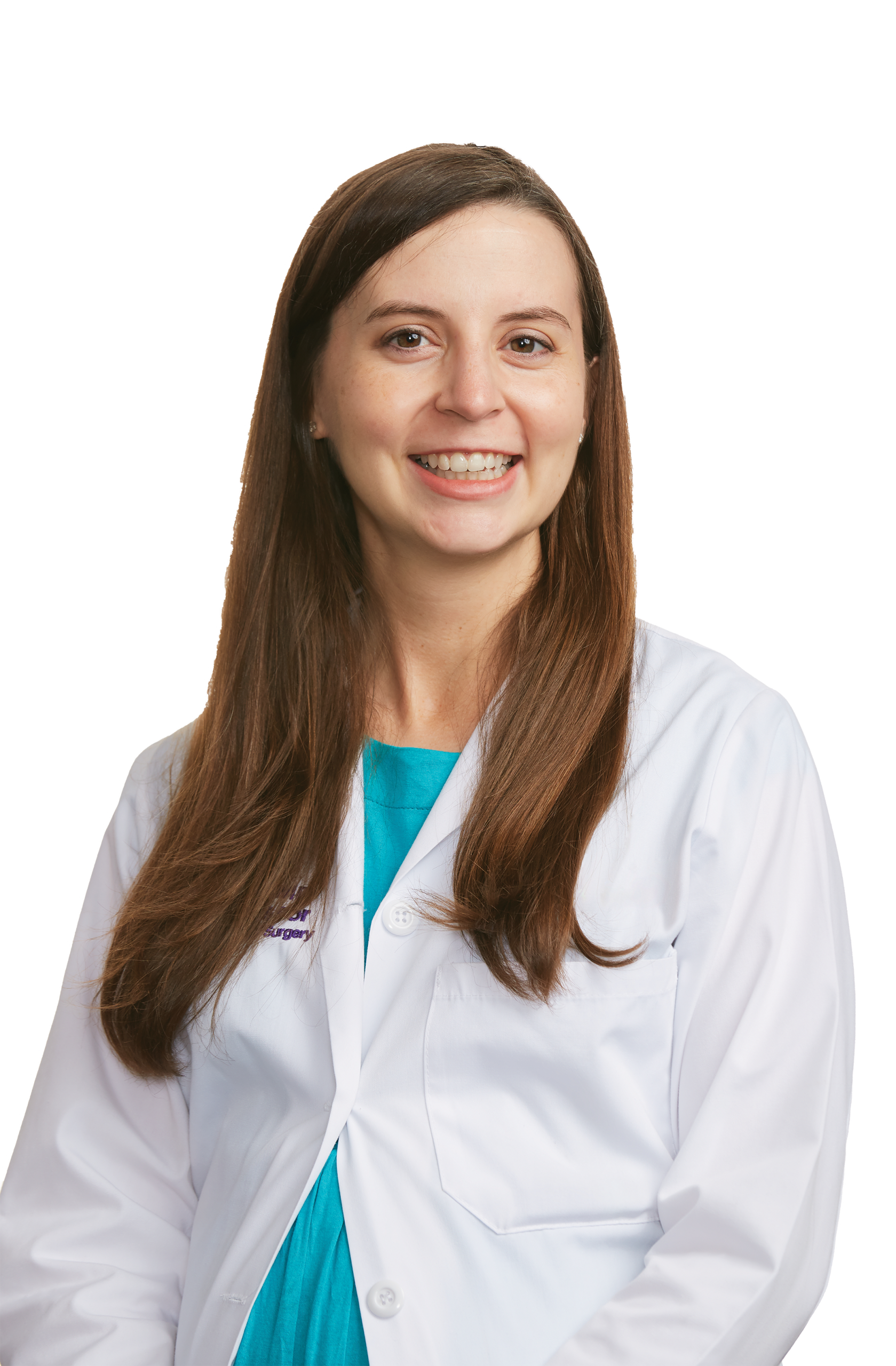
Dr. Sugar is Chief of Breast Surgery and Assistant Professor in General Surgery at Ochsner LSU Health Shreveport. She specializes in benign and malignant breast disease, including high-risk screening.
Call 318-626-0432 or visit ochsner.org to make an appointment.