








By Ashley Reed, RN & Andrea Haynes, RN
Preparing for a baby often means thinking about the delivery itself. Before labor begins, talk with your provider about your birth preferences, pain management options, support people and how situations such as induction or cesarean birth may be handled. It is also helpful to understand what might happen if your newborn needs extra medical attention.
Learning about neonatal intensive care before delivery can make an unfamiliar situation easier to understand. If your baby needs this care, knowing what to expect can help you ask questions ahead of time and take an active role in their care.
Planning Where to Deliver
As you plan for delivery, ask your healthcare provider when to come to the hospital, which signs of labor to watch for and how to address any concerns specific to your pregnancy. It is also helpful to understand the care you and your baby will receive at the hospital you choose. Does it have a neonatal intensive care unit (NICU) in the same building? What level of newborn care does it provide?
Having labor and delivery and an appropriate NICU in the same location may allow you and your baby to receive care in one place, keeping your family together while you recover. NICUs vary in capability, so discuss your baby’s potential needs with your provider, including when a transfer might be necessary.
 If Your Baby Needs Extra Support
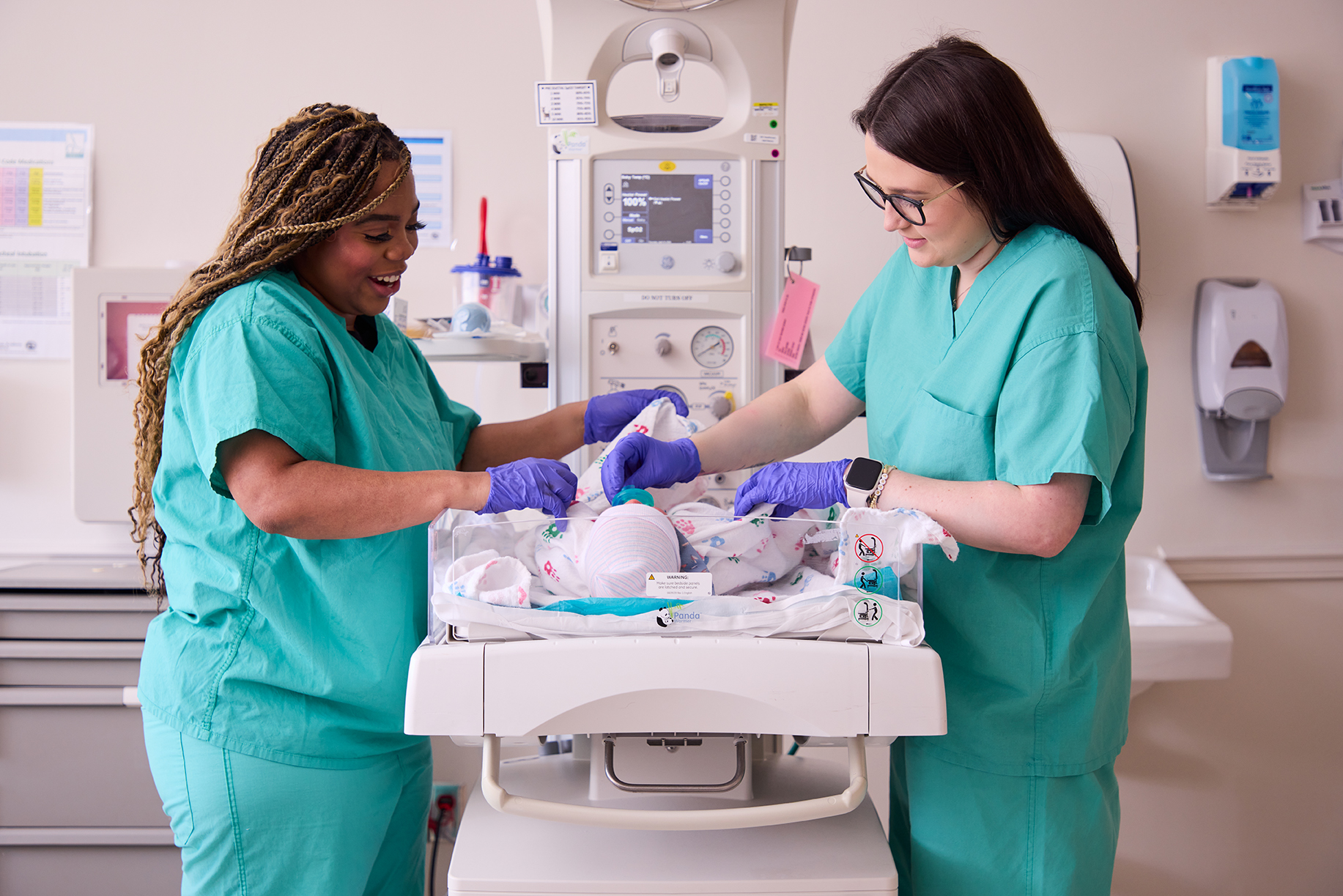
A NICU is a specialized hospital unit where newborns receive close monitoring and medical treatment. Some families know during pregnancy that their baby may need this care. For others, the need becomes apparent during delivery or shortly after.
Stanford Medicine Children’s Health notes that babies may need NICU care because they are born prematurely, have a low birth weight or have a health condition that requires specialized treatment. Babies born at full term may also need care for breathing difficulties, infections or other concerns.
The length of a NICU stay depends on each baby’s health condition. Some stays are brief, while others may last weeks or months. Ask those caring for your baby in the NICU why your baby was admitted, what treatment plan is in place and what the team will assess before your baby can go home.
What to Expect in the Unit
The NICU may look and sound different from the hospital room you pictured sharing with your newborn. Seeing equipment around your baby may feel overwhelming but rest assured each device serves a purpose.
Cleveland Clinic explains that NICU equipment may include an incubator to help maintain body temperature, monitors that track vital signs and devices that support feeding or breathing. Your baby may also have an IV for fluids or medications. Ask your baby’s nurse to explain what each device does and what the sounds mean.
The care team may include a neonatologist, a doctor who specializes in sick and premature newborns, nurses, respiratory therapists and other professionals. Ask who is overseeing your baby’s care and whom to contact for updates. You can also ask the team to explain unfamiliar terms or repeat information for clarification.
 How Parents Can Stay Involved
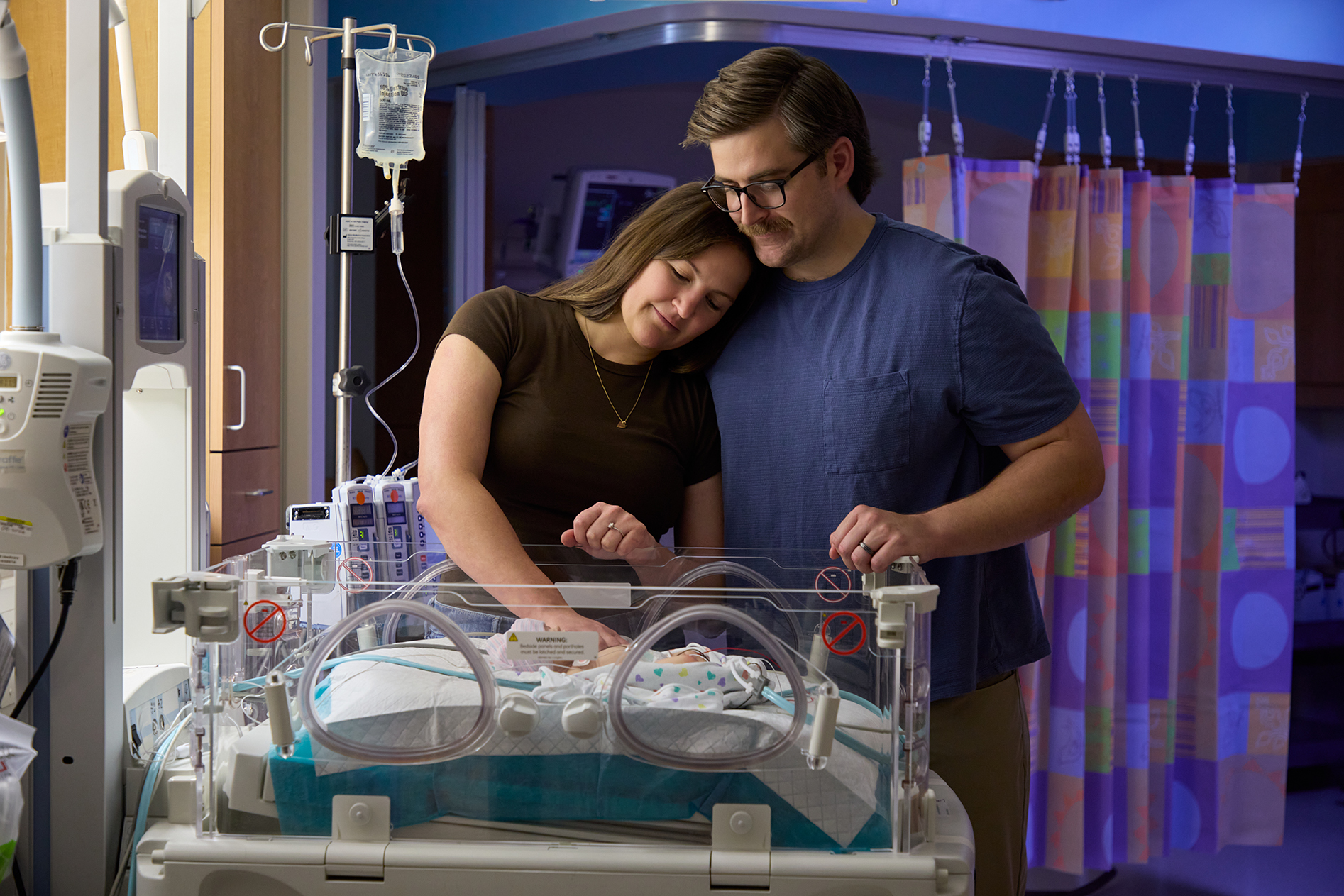
You are an important part of your baby’s care. How you participate depends on your baby’s condition, but the team can help you find appropriate ways to connect.
You may be able to help with diaper changes, feeding or comforting your baby. Skin-to-skin contact may be possible depending on your baby’s health. If holding is not possible, ask whether talking softly or offering gentle touches is appropriate. Your baby will likely need periods of quiet and rest.
If you plan to breastfeed, ask a nurse or lactation consultant for help with breastfeeding or pumping. The staff can explain how feeding decisions are made and help you understand your role.
Ask about visiting guidelines and how to receive updates when you cannot be with your baby in the NICU. Find out whom to contact for updates, when to expect them and how to share questions with the care team between visits. When you or other loved ones spend time with your baby, staff can explain the precautions that help protect your baby. These include washing your hands before entering the NICU, which Nemours KidsHealth identifies as an important step in reducing germ exposure.
Support for Your Family
A NICU stay can bring worry, sadness and uncertainty while you recover from childbirth. Discuss emotional concerns with your healthcare provider or NICU team, and make time for meals, rest and breaks.
Stanford Medicine Children’s Health identifies social workers and hospital chaplains as possible sources of practical and emotional support. Ask about counseling or connections with other NICU families, too. Let the NICU team know if transportation, work schedules or caring for other children makes hospital visits difficult.
As your baby prepares to go home, ask about feeding, medicines and follow-up appointments. You do not need every answer before delivery day. Keep asking questions to understand the next steps and feel more prepared to care for your baby and advocate for their health.
At Ochsner LSU Health – St. Mary Medical Center, labor and delivery and a Level III NICU are in the same hospital, so you can stay close to your baby if your newborn needs specialized care. Our Women’s and Children’s Center offers private labor and delivery suites and on-site lactation consultants, plus childbirth education classes that cover the labor process, comfort measures and what to expect during your stay. From your first prenatal visit to your baby’s first trip home, we are here to answer your questions and support your whole family.
To learn more about delivering at St. Mary Medical Center, visit ochsnerlsuhs.org or talk with your OB/GYN about your birth plan