







By Dr. Victoria Luraguiz & Dr. Natalia Luraguiz
A wonderful vacation should leave us restored—not exhausted, dehydrated and feeling as though we need another week to recover.
he secret is not following a perfect wellness routine while traveling. It is preparing your body before departure, making intentional choices during the trip and giving yourself time to reset when you return.
Prepare Before You Leave
Travel wellness begins several days before the suitcase is packed. One of the biggest mistakes people make is staying up late preparing for a trip and beginning vacation already sleep-deprived. During the week before traveling, prioritize consistent sleep, adequate hydration and nourishing meals. Wearable devices such as an Oura Ring™, Hume Health band or Eight Sleep® system can help you monitor trends in sleep, heart-rate variability and recovery.
Continue moving your body, but do not exhaust it. Walking, strength training and mobility exercises can prepare you for long periods of sitting and the increased activity that often accompanies sightseeing. Review your prescriptions before leaving. Make sure you have enough medication for the entire trip, plus several additional days in case of delays. Place essential prescriptions in your carry-on—not in checked luggage. International travelers may need specific vaccines, preventive medications or additional health precautions. Discuss your itinerary with your physician or a travel-medicine specialist at least four to six weeks before international travel.
Finally, manage your schedule and expectations. Trying to complete several weeks of work during the final 48 hours before departure can increase stress and weaken the body’s resilience. Whenever possible, create a calmer evening before leaving.
Protect Your Body on Travel Days
Hydration is one of the simplest and most effective travel tools. Airplane cabins have low humidity, and inadequate fluid intake can contribute to headaches, fatigue, constipation and dry skin. Begin hydrating before your flight and drink water regularly throughout the day. Keeping your skin hydrated during the flight is also important.
Limit excessive alcohol and caffeine because both can disrupt sleep and may contribute to dehydration. Alcohol can make you feel sleepy initially, but it frequently reduces sleep quality, worsens jet lag and lowers overnight heart-rate variability.
For some patients, we often recommend a physician-supervised vitamin C IV before traveling as part of an individualized wellness plan. IV therapy is not necessary or appropriate for everyone, and patients should be medically evaluated before receiving an infusion.
Movement is equally important. During a long flight, stand and walk periodically when it is safe. While seated, move your ankles, flex your calves and avoid remaining in one position for many hours. During a long drive, schedule regular stops to walk and stretch. Compression socks may benefit travelers who experience swelling or have an increased risk of blood clots.
Pack nourishing snacks so hunger does not leave you dependent on airport convenience foods. Good options include nuts, fruit, vegetables, cheese and protein bars with minimal added sugar.
To reduce exposure to illness, wash your hands frequently, carry hand sanitizer and avoid touching your eyes, nose and mouth. Cleaning tray tables, armrests and other frequently touched surfaces may also help. A well-fitting mask can provide additional protection in crowded terminals and airplanes, especially for travelers at higher risk of complications from respiratory infections.
Avoid experimenting with unfamiliar sleep medications during a flight. Alcohol and THC gummies can affect people unpredictably, impair coordination and worsen sleep quality, even when they initially cause drowsiness.
Enjoy the Vacation Without Abandoning Your Health
Healthy travel should not feel like punishment. You do not have to choose between enjoying a beautiful meal and caring for your body. Instead of aiming for perfection, choose a few wellness anchors each day:
Drink water throughout the day. Consider adding an electrolyte product you tolerate well, such as Ultima Replenisher®, when sweating heavily or spending significant time in the heat.
Include protein and produce in at least two meals. Walk, stretch or move your body. Wear supportive tennis shoes for long walks—even on the beach if walking barefoot aggravates your feet or back. Protect a reasonable sleep window. Apply sunscreen and reapply as directed, generally at least every two hours and after swimming or sweating.
If you are looking forward to a special dinner, enjoy it without guilt. Choose a lighter, protein-rich breakfast and lunch, remain active during the day and savor the foods that are truly meaningful to you rather than eating everything simply because it is available. Avoid heavy dinners after 7 p.m. whenever possible.
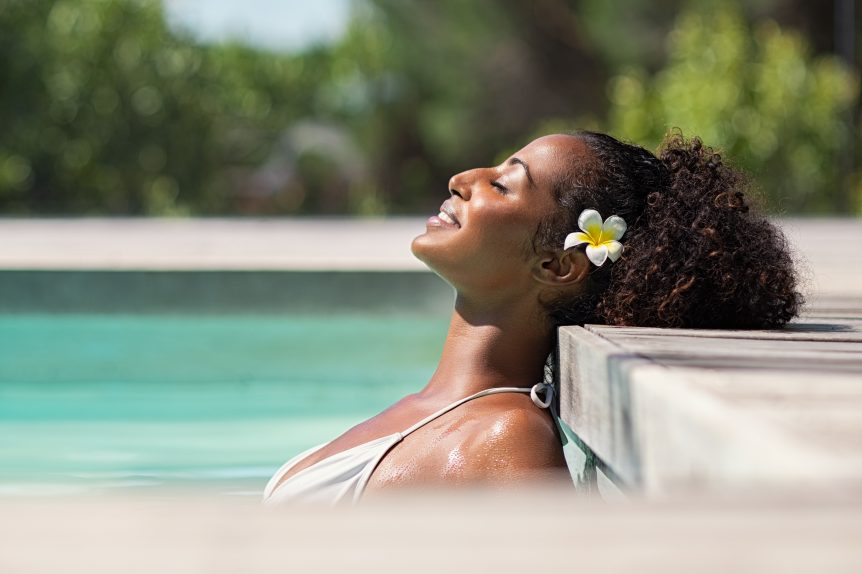
Vacations are also meant to support mental wellness. Resting by the pool, sleeping a little later and enjoying an unhurried meal are not failures in your routine. They are part of recovery. Practice breathwork, be present with the people around you and take intentional breaks from the constant dopamine loop of your phone.
Recognize When Your Body Needs a Pause
Travelers sometimes ignore constipation, missed medication doses, heat exposure and early symptoms of illness because they do not want to lose vacation time. Unfortunately, pushing through warning signs can cost more time later. Before leaving, identify how to access medical care at your destination and confirm what your health insurance covers while traveling.
People with recurrent urinary tract infections, asthma exacerbations, chronic bronchitis or other established medical conditions may benefit from a physician-prescribed standby treatment plan. Antibiotics should only be carried and used under a physician’s direction, with clear instructions regarding when and how to take them. If you have a concierge physician, many secure communication apps work internationally, allowing you to contact your physician for guidance while traveling.
If you are receiving peptides prescribed by a board-certified physician trained in peptide and longevity medicine, make sure you have an adequate supply for your trip. In our practice, we may incorporate TB4 into an individualized travel and recovery protocol when clinically appropriate.
Peptide therapy should always be prescribed and monitored by a knowledgeable medical professional—not purchased from an unverified online source. Some peptides and injectable medications require refrigeration. At Wellness by Dr. Natalia, we provide specialized travel containers for our peptide patients to help maintain the proper temperature during transportation. We also incorporate neuropeptides into individualized treatment plans when appropriate to support recovery and sleep during vacations, as well as neuroplasticity.
Before traveling, confirm each medication’s storage requirements and carry a copy of the prescription or physician documentation. International travelers should also verify whether their medications and supplies are permitted in the destination country.
Recover When You Return Home
Return to your normal routine promptly but gently. During the first 24 to 72 hours, focus on hydration, nourishing meals, daylight exposure, gentle movement and a consistent bedtime.
If tracking body composition is part of your wellness plan, consider updating your measurements with a complete InBody® assessment after you have rehydrated and returned to your usual routine. You are more than the number on a scale. A body-composition assessment provides estimates of muscle mass, body fat, visceral fat and hydration status, although travel-related fluid changes can temporarily affect results.
The goal of travel wellness is not perfection. It is resilience. With thoughtful preparation and a few dependable habits, we can fully enjoy the meals, adventures and late-night conversations that make travel memorable—and still return home feeling energized, restored and ready for what comes next.
Build beautiful memories, but remember: health is the new wealth. On every trip, we have an opportunity to model healthy choices for our friends and loved ones. Lead with love, kindness and health during every step of your journey.
Build a Physician-Approved Travel Wellness Kit
Every traveler’s kit should reflect their personal medical history, destination, and planned activities. Beyond regular prescriptions, a basic kit may include:
- List of medications, allergies and emergency contacts
- Copies of insurance information
- Acetaminophen or other pain reliever
- Antihistamine for allergies
- Rescue inhalers, epinephrine or other condition-specific emergency medications
- Antacid, nausea and other gastrointestinal medications
- Oral rehydration or electrolyte packets
- At-home flu or COVID-19 tests
- Bandages, antiseptic wipes and antibiotic ointment
- Sunscreen, insect repellent and aloe gel
- Hand sanitizer and well-fitting masks
- Compression socks
- A thermometer
Natalia Luraguiz, MD, is a board-certified physician and founder of Wellness by Dr. Natalia in Shreveport, Louisiana, where she focuses on concierge primary care, preventive health, longevity and personalized wellness.

Dr. Victoria Luraguiz

Dr. Natalia Luraguiz
Maria Victoria Luraguiz, MD, is a board-certified physician and the medical director of Peptide and Regenerative Medicine at Wellness by Dr. Natalia, where she focuses on concierge medicine, longevity, peptide therapy and regenerative medicine.