








By Beth Woods, M.Ed.
Owner and Founder of At Home Academy
I recently received a call from a parent who asked, “How do I know when my child needs a tutor?”
It’s an important question, but before we talk about when, let’s talk about why.
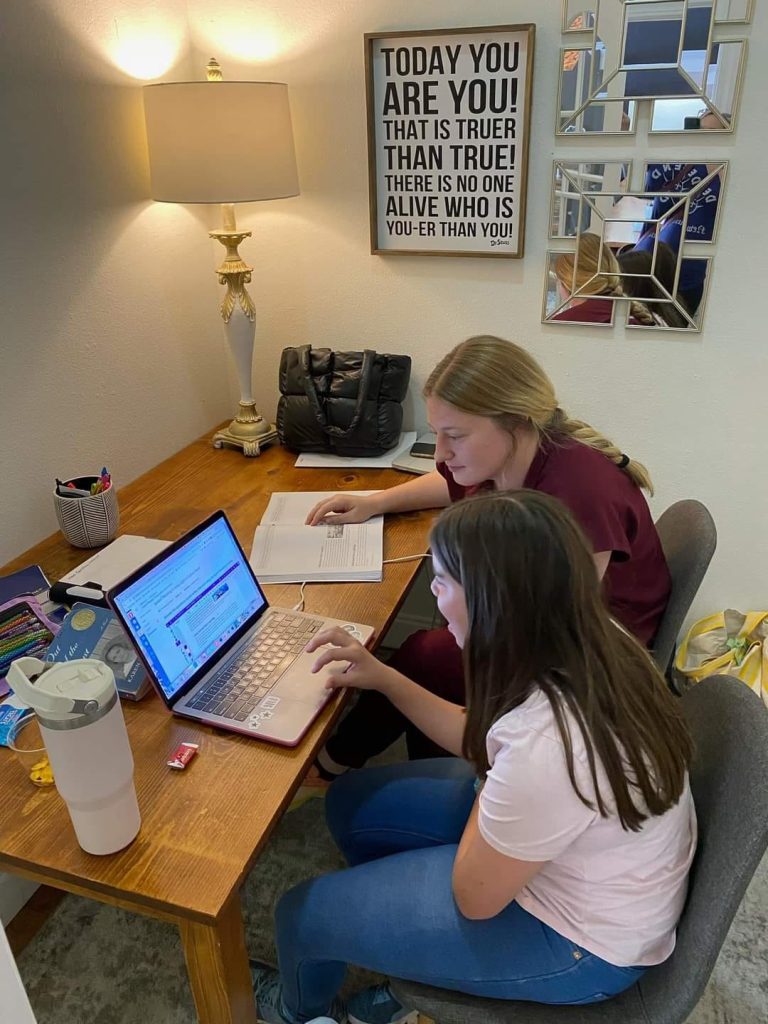
Many people think of tutoring as something you do only after a child has fallen behind. I see it differently. A tutor isn’t simply a lifesaver for a student who’s drowning in schoolwork. A tutor is a private educator who provides personalized instruction, reinforces what’s being taught in the classroom, builds confidence, and equips students with the skills they need to become successful learners.
Why wait for a crisis?
Sometimes the best reason to seek tutoring isn’t because a child is failing. It’s because they’re beginning to struggle. Having an academic thought partner can help students regain confidence, develop better study habits, and start the school year on the right foot before frustration has a chance to take hold.
After more than 40 years in education—15 of those years helping students through At Home Academy—I can tell you that waiting until grades begin to fall is rarely the best approach. The emotional impact of feeling unsuccessful in school can be far more difficult to overcome than the academic challenges themselves. Often, children tell us they need help long before a report card reflects it. They just don’t use the words, “I need help.”
 Instead, they become anxious about a particular class, avoid conversations about school, and take much longer to complete their homework than they used to. In some cases, they become frustrated by assignments that once seemed easy. Sometimes they simply stop talking about school altogether. Some children even begin complaining of stomachaches or headaches, or they suddenly don’t feel well on school mornings. Those feelings are real. Anxiety often shows itself physically long before parents realize what’s causing it.
An important part of family life during the school year is simply talking with your children about school each day and asking questions that invite conversation instead of one-word answers. Questions like, “What was the best part of your day?” “If you could change one thing about your school day, what would it be?” “What made you happy today at school?” and “What are you looking forward to at school tomorrow?” encourage meaningful conversation.
I like to avoid questions such as, “What was the worst part of your school day?” because they encourage children to focus on the negative. Instead, give them the opportunity to share their experiences through natural conversation. These discussions often reveal concerns long before grades begin to fall. They may also reveal that a child simply doesn’t feel confident enough to tackle the work.
Another concern I hear frequently is cost. Families often wonder whether they need to commit to expensive, long-term tutoring programs before they even know whether they’re a good fit. At Home Academy has always believed that tutoring should be individualized, not contractual. We ask families to commit to one month of consistent tutoring because meaningful progress takes a little time. After that first month, families continue because they see progress, not because a contract requires them to do so. If a student isn’t showing improvement, not only in grades but also in confidence and attitude, we want to reevaluate the plan rather than continue simply because a contract requires it.
Tutoring should relieve stress, not add to it. Our goal isn’t to pile on additional homework. Students already have enough of that. Instead, we help them understand the material they’re currently learning, complete assignments more effectively, and develop skills they’ll continue using long after the homework is finished.
In my experience, one of the biggest transitions in a student’s academic journey happens in ninth grade. One of the services that has grown the most over the past few years is our Freshman Success Program. The jump from middle school to high school is much greater than many families expect. Students suddenly find themselves navigating block scheduling, larger campuses, multiple teachers with different expectations, digital assignments instead of traditional textbooks, demanding tests, extracurricular activities, and increased independence—all while trying to figure out where they fit socially.
Beginning in July and August, we work with rising freshmen to prepare for those changes before school begins. Throughout the year, we continue helping them organize their schedules, manage their time, prepare for tests, communicate with teachers, and develop study habits that will serve them throughout high school, college, and beyond. These are life skills as much as academic skills.
It’s important to understand that no two students struggle for the same reason. Some need help mastering Algebra or Chemistry.
Others understand the material but have difficulty staying organized or managing their time. Some students simply need someone to help them discover how they learn best. We also work alongside students with ADHD, dyslexia, and other learning differences, helping them develop practical strategies they can continue using throughout high school, college, and beyond.
One of my favorite things about our tutoring team is that many of our tutors are current medical students and graduate students who have overcome learning challenges themselves. They understand that success isn’t about being perfect—it’s about discovering what works for you.
 Parents often ask when students should begin preparing for college entrance exams. My recommendation is the beginning of sophomore year. Students today balance demanding academic schedules with athletics, fine arts, jobs, volunteer work, and family responsibilities. Waiting until the months before the ACT or SAT creates unnecessary pressure. Starting early allows students to build skills gradually, develop confidence, and create a testing plan that fits their goals and schedule.
Preparation isn’t about cramming. It’s about giving students every opportunity to earn the highest score they’re capable of achieving.
One of the most important lessons I’ve learned after four decades in education is this: The greatest gift we can give our children isn’t simply higher grades—it’s teaching them how to learn. Students who know how to organize their time, manage a busy schedule, communicate with teachers, study effectively, and approach challenges with confidence carry those skills far beyond middle school and high school. Those habits become the foundation for success in college, careers, and life. It’s never too early to help a child believe, “I can do this.” When confidence grows, achievement often follows.
As parents, we all hope our children become independent, resilient adults. Sometimes that journey begins with something as simple as asking for help. The right support at the right time doesn’t just improve a report card—it can change the way a child sees themselves as a learner. And that’s a lesson that lasts long after the school year ends.